
Sebaceous Filaments, Milia, Closed Comedones: What’s Actually on Your Face and How to Fix It

Most people come in thinking they have clogged pores. Some of them do. But a lot of the time, what they’re actually seeing is something else entirely: the dots, the bumps, the texture that won’t go away no matter what they try. The reason nothing is working? They’re treating the wrong problem.
After over a decade of working with skin, I’ve noticed that most skin frustration comes down to one thing: misidentification. The same product that clears one type of congestion can make another worse. Milia have nothing to do with oil. Sebaceous filaments can’t be removed, only managed. Dehydration shows up as oiliness just as often as it shows up as tightness.
This is your guide to actually knowing what you’re looking at, and what to do about it. Let’s dive in!
1. Sebaceous Filaments
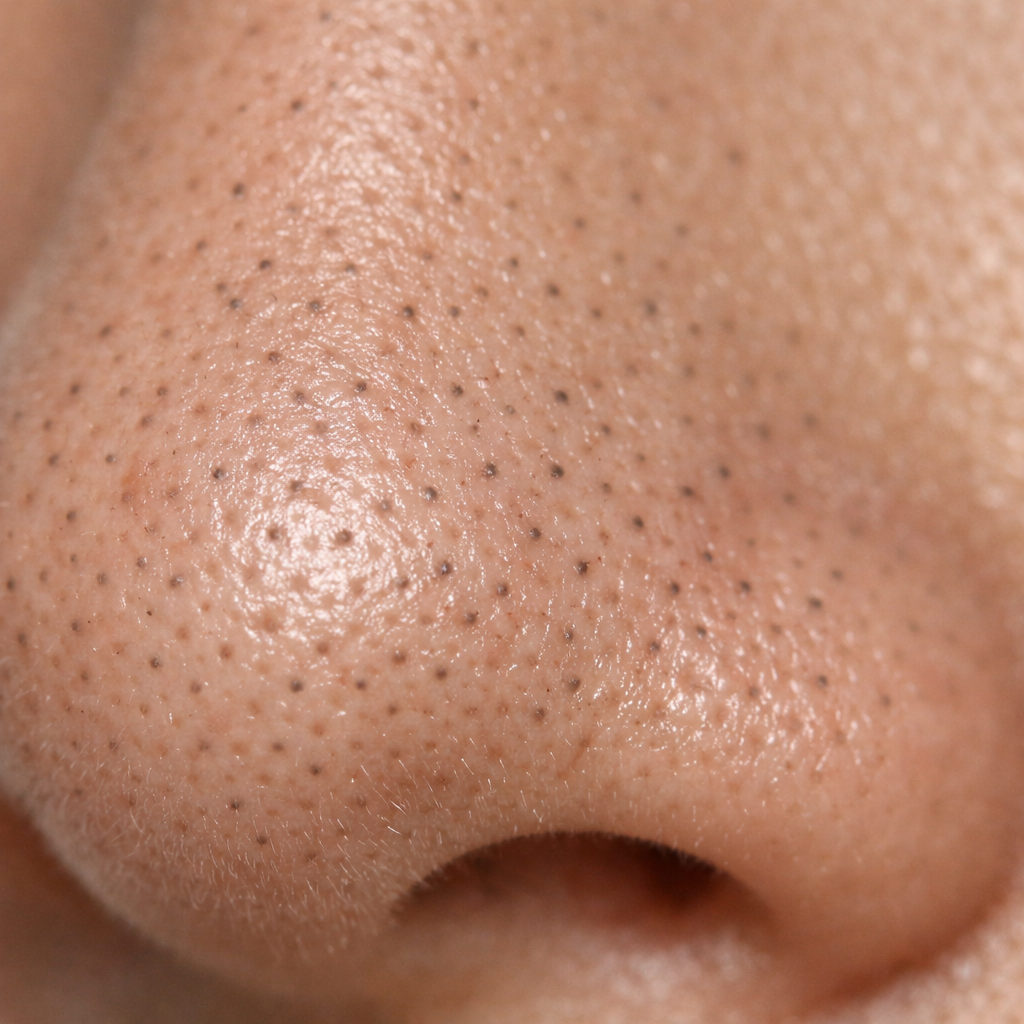
What They Are
Sebaceous filaments are tube-like structures that line your pores and help channel sebum (your skin’s natural oil) to the surface. They are a normal, functional part of your skin. Everyone has them. They tend to be most visible on the nose and chin, where pores are larger, and they look like tiny grey or flesh-colored dots that you can’t quite squeeze out.
They are not blackheads or clogged pores. Blackheads have a dark, oxidized plug that sits raised above the skin surface. Sebaceous filaments sit flat, have no plug, and will come back within 20 to 30 days even if you temporarily clear them. That’s not a sign they need more aggressive treatment. That’s just how your skin works.
I say this to clients all the time: sebaceous filaments are not your enemy. Managing them is a maintenance practice, not a problem to solve.
What Works
The goal is not elimination, it’s minimization. Keeping pores clear and skin balanced is what keeps them as small and unnoticeable as possible. Skincare products with these ingredients can help.
Salicylic acid (BHA): oil-soluble, penetrates the pore lining, and dissolves the sebum inside. Your most effective daily-use ingredient for sebaceous filaments.
Niacinamide: regulates sebum production over time and visibly minimizes pore appearance.
Retinoids: speed up cell turnover and prevent the pore from getting congested. Slower results, but significant long-term improvement.
What NOT to Use
Pore strips: satisfying, but harmful. They remove the filament temporarily and damage the pore walls, making the problem worse over time.
Harsh scrubs or over-exfoliating: strips the barrier and signals the skin to produce more oil.
Manual extraction at home: you won’t win, and you’ll cause inflammation in the process.
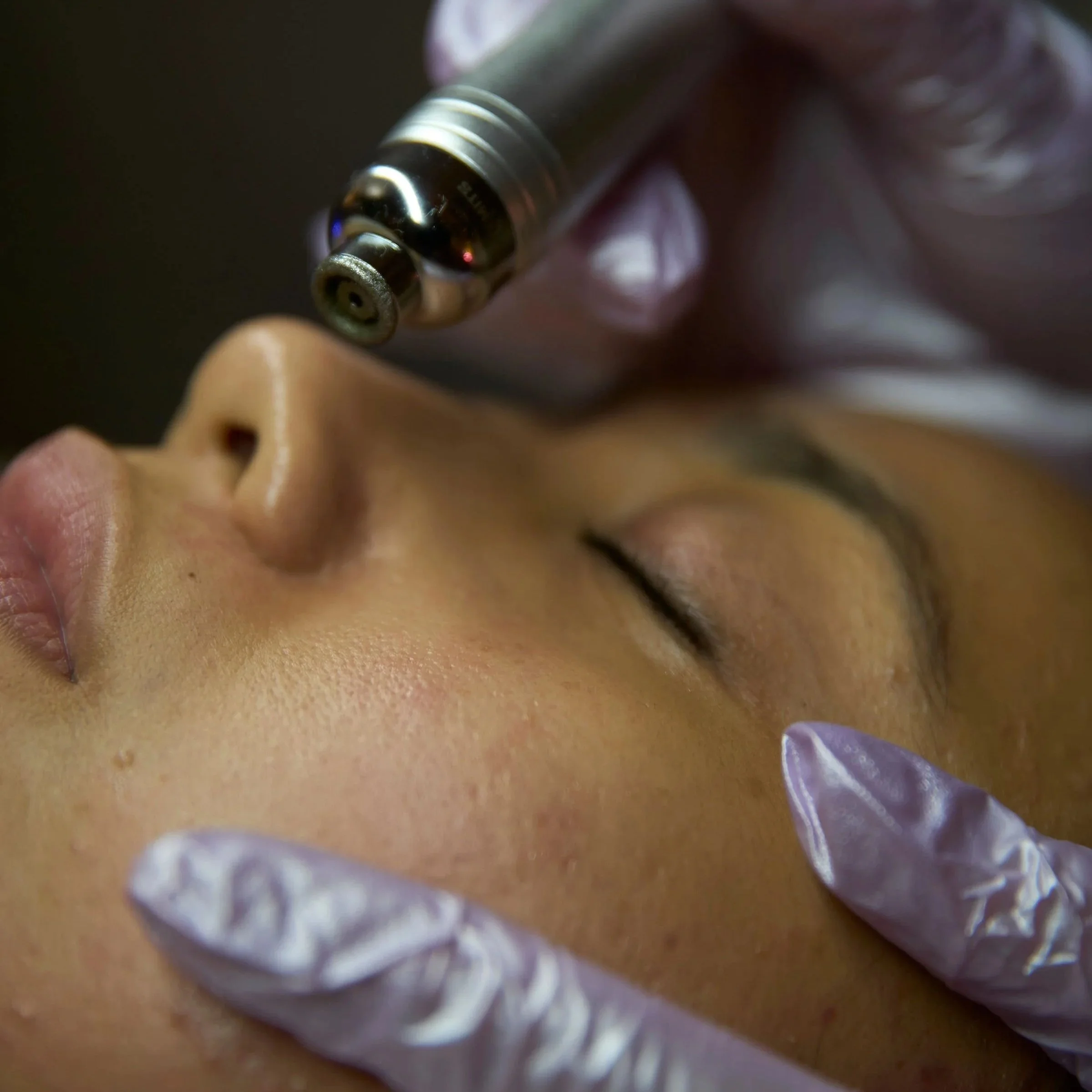
In the Treatment Room
Chemical peels, HydraFacial and professional extractions all address sebaceous filaments more effectively than anything you can do at home. A HydraFacial uses vacuum suction and a salicylic acid serum to clean inside the pore in a way that home care simply can’t replicate.


2. Closed Comedones
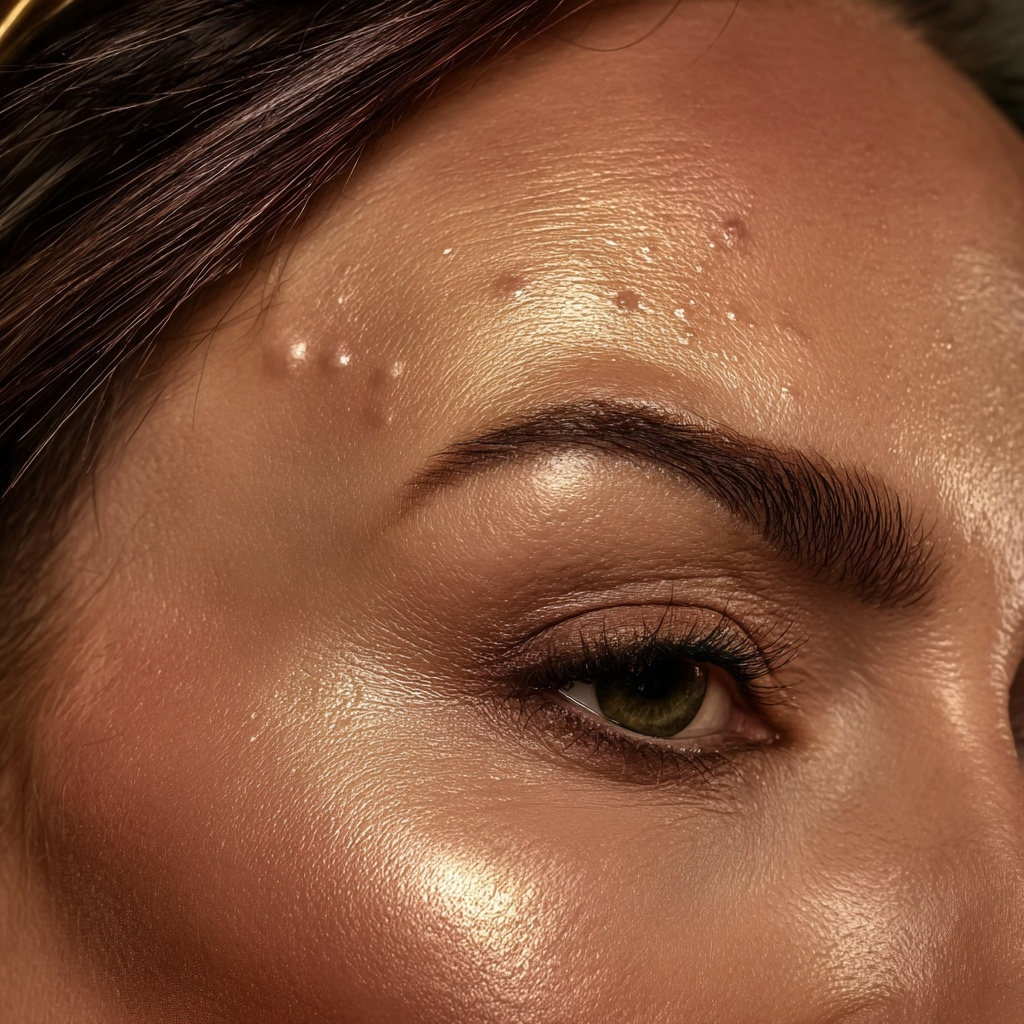
What They Are
Closed comedones are clogged pores where the opening is sealed over with a thin layer of skin. Sebum and dead skin cells get trapped underneath, creating small, flesh-colored or slightly white bumps below the skin surface. Not inflamed, not red. Just bumpy texture you can feel when you run your fingers across your forehead or chin.
Unlike sebaceous filaments, closed comedones are actual blockages. They can be cleared. But because they’re sealed, they take time and the right ingredients to work through.
What Works
Salicylic acid: gets into the pore and dissolves the plug. Daily use in a cleanser or toner is effective.
Retinoids: the gold standard for closed comedones. They speed up cell turnover, prevent dead skin buildup, and stop new comedones from forming. Results take 8 to 12 weeks of consistent use.
Low-strength AHAs (glycolic or lactic acid): loosen the sealed-over skin at the surface so the plug can come out.
Purging 101: When you start retinoids or AHAs, you may see a temporary increase in breakouts as existing congestion surfaces. This is skin purging, not a reaction. It typically resolves within four to six weeks. If new breakouts keep appearing beyond that window, or show up in new locations, it may be a product reaction instead.
What NOT to Use
Heavy occlusive moisturizers: can worsen closed comedones by sealing more oil and debris into already-congested pores. Look for non-comedogenic formulas.
Benzoyl peroxide as a primary treatment: effective for bacterial acne, but less effective for non-inflammatory comedones.
Squeezing: a closed comedone under unsterilized pressure often becomes inflamed. Leave extractions to professionals.

In the Treatment Room
Chemical peels dissolve the sebum and dead skin cells inside the pore far more efficiently than home exfoliation. Diamond tip microdermabrasion removes the sealed skin layer above the comedone, allowing the pore to finally clear. Getting a series of treatments will likely produce significantly faster results than home care alone.
3. Milia

What They Are
Milia are small, hard, white or flesh-colored cysts that sit just under the skin surface. They’re most common around the eyes, cheeks, and nose. They look a bit like whiteheads, but they are not the same thing at all.
Milia are keratin cysts. Keratin, a skin protein, becomes trapped and forms a tiny sac under the skin. They have nothing to do with oil or bacteria. This is why every acne treatment people try on them does nothing. You cannot squeeze them out because they don’t have an opening. The skin has fully closed over them.
Every week I see clients who have been trying to pop milia at home. Please do not do this.
What Works
Retinoids: speed up cell turnover and help the skin gradually shed the cyst over time. The most effective prevention and long-term treatment.
Gentle AHAs (glycolic or lactic acid): loosen the outer skin layer so the keratin plug can eventually surface.
Lactic acid specifically: works well around the eye area where stronger acids are too irritating.
What NOT to Use
Salicylic acid or benzoyl peroxide: these target oil and bacteria. Milia involve neither. They won’t help.
Attempting to pop or squeeze milia at home: you cannot extract a keratin cyst without a sterile opening. You’ll only cause inflammation and scarring.
Rich eye creams with heavy occlusives near milia-prone areas: can contribute to new milia forming, especially around the eyes.

In the Treatment Room
Professional extraction is the only way to physically remove existing milia. A sterile lancet creates a tiny opening so the cyst can be extracted cleanly. This is not something to attempt at home. Additionally, chemical peels and enzyme treatments support prevention by keeping cell turnover active and stopping new keratin buildup.
4. Redness and Reactive Skin

What It Is
Persistent redness, flushing, and reactivity can show up in a lot of different ways. Baseline redness across the cheeks and nose. Skin that flushes easily with temperature changes. Visible broken capillaries. Stinging from products that should be gentle. For many people, this is rosacea territory, even if they’ve never been diagnosed.
Triggers are different for everyone, but commonly include heat, sun exposure, alcohol (topical and ingested), stress, spicy food, and hormonal fluctuations. Reactive skin often has a compromised barrier underneath. That’s why it reacts to things it shouldn’t, and why products that are fine for most skin cause burning or stinging.
What Works
Azelaic acid: reduces redness, inhibits inflammatory pathways, and is safe for rosacea-prone skin. One of the most underused ingredients for this concern.
Niacinamide: strengthens the barrier, reduces water loss, and calms overall reactivity over time.
Ceramides: restore barrier function. A depleted barrier is almost always part of the reactive skin picture.
Centella asiatica (Cica): a potent anti-inflammatory that works well in calming serums and masks.
Mineral SPF with zinc oxide: zinc has anti-inflammatory properties and sits on top of skin without penetrating. Essential daily protection for reactive skin.
What NOT to Use
Strong exfoliating acids at full strength: glycolic acid in particular tends to be too stimulating for reactive skin. If you’re exfoliating, use lactic acid at low percentages, or mandelic acid.
Fragrance in any form: one of the most common triggers for reactive skin. This includes essential oils, which are natural but not inherently gentle.
Alcohol-based toners or astringents: strip the barrier and make reactivity significantly worse.
Chemical SPF (avobenzone, oxybenzone): common irritants for rosacea-prone skin. Stick to mineral SPF.

In the Treatment Room
Glacial Glow is one of my favorite treatments for reactive and rosacea-prone skin. It uses a cooling crystallized technology to calm inflammation, reduce redness, and strengthen the barrier without heat or stimulation. Enzyme treatments are another excellent option, providing gentle exfoliation with anti-inflammatory support. Both work with the skin rather than pushing through it.




5. Uneven Texture
What It Is
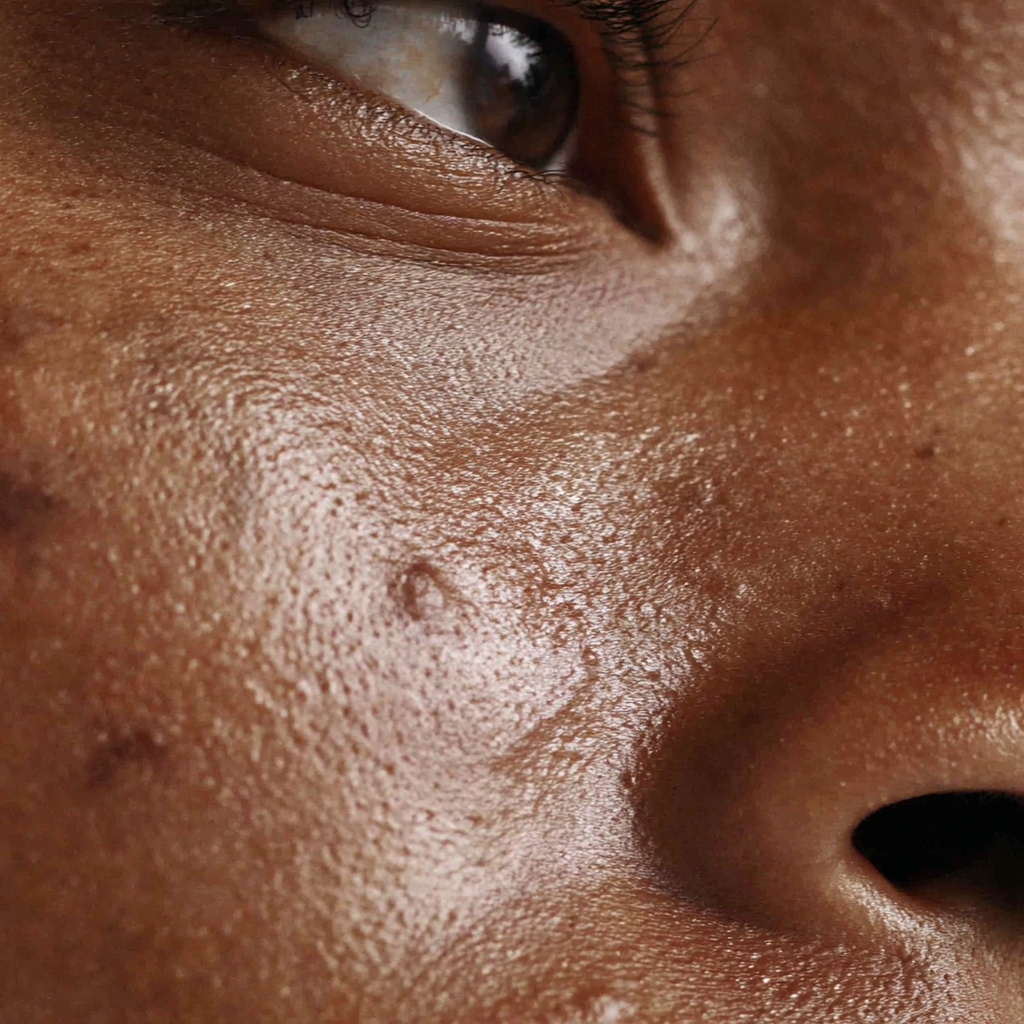
Uneven texture is a broad category. Roughness, bumpy skin that doesn’t fall into the comedone category, a dull surface that diffuses light instead of reflecting it, enlarged-looking pores, lingering post-breakout roughness. It’s usually a cell turnover issue. Dead skin cells are accumulating on the surface faster than they’re shedding, which creates that rough, uneven look and feel.
Sun damage, dehydration, and sluggish skin from product overload can all contribute. So can a compromised barrier. When the skin is in protective mode, turnover slows down.
What Works
Glycolic acid: the most effective AHA for texture. Small molecule, penetrates deeply, and speeds cell turnover. Start at lower percentages and build up.
Lactic acid: gentler than glycolic and also hydrating. A good entry-point exfoliant or better fit for sensitive skin.
Retinoids: the long-game answer for texture. They normalize cell turnover, reduce pore appearance, and address post-breakout texture over time.
Mandelic acid: a larger molecule with a slower release. Works beautifully for uneven texture on deeper skin tones without the risk of post-inflammatory hyperpigmentation.
Enzymes (papain, bromelain): digest dead skin cells on contact, no acid required. Good for sensitive skin or as a weekly treatment.
What NOT to Use
Physical scrubs with harsh particles: create microtears in the skin and stimulate inflammation. Texture looks worse, not better.
Stacking multiple exfoliants at once: more exfoliation is not more effective. Layering acids, retinoids, and enzymes all at once damages the barrier.
Skipping SPF: exfoliating acids make skin more photosensitive. Unprotected sun exposure undoes the work and creates pigmentation.

In the Treatment Room
Chemical peels deliver exfoliation at depths home care can’t reach. Diamond tip microdermabrasion physically removes the surface layer of dead skin cells and immediately improves texture and radiance. Enzyme treatments are the gentler option, excellent for maintaining results between deeper treatments. Dermaplaning removes both dead skin and vellus hair (peach fuzz), giving the smoothest surface and best product absorption possible.


6. Dehydrated Skin

What It Is
This is one of the most misunderstood skin conditions I see in the treatment room. Dehydrated skin is not a skin type, it’s a condition. Dry skin (a type you’re born with) lacks oil. Dehydrated skin lacks water. The part that changes everything for most people: any skin type can be dehydrated, including oily skin.
Dehydrated skin often presents as oiliness in some areas and tightness in others. A dull or crepey texture when you look closely. Makeup that sinks in and looks patchy. Fine lines that appear when you smile but disappear when the skin relaxes. Skin that feels tight right after cleansing but gets oily by midday. That oil is compensatory. The skin is trying to offset the lack of water.
Over-cleansing, heavy exfoliation, not drinking enough water, air travel, alcohol, and most acne treatments all cause or worsen dehydration. Many people chasing “oil control” are making their dehydration worse without realizing it.
What Works
Hyaluronic acid: draws water into the skin. Apply to damp skin because it needs water to draw from. On dry skin in a dry environment, it can actually pull water from the deeper layers and make things worse.
Glycerin: a humectant that holds water in the skin. More stable than hyaluronic acid and often more effective for severe dehydration.
Panthenol (Vitamin B5): deeply hydrating, soothing, and barrier-supportive.
Urea: attracts and retains water, and gently exfoliates at higher concentrations. Particularly good for chronically dehydrated skin.
Lactic acid at low doses: a humectant AHA that hydrates while gently exfoliating. Genuinely useful for dehydrated skin, unlike other exfoliating acids.
What NOT to Use
Alcohol-based products: strip water from the skin. Check ingredient lists for denatured alcohol (SD alcohol, alcohol denat.) in toners and serums.
Harsh cleansers that leave skin feeling “squeaky clean”: that feeling is your barrier being disrupted, not your skin being cleansed.
Skipping moisturizer because skin feels oily: this is the most common mistake I see. Oily, dehydrated skin needs water. Use a lightweight, water-based moisturizer.
Glycolic acid at high concentrations without replenishing hydration: increases water loss through the skin and can worsen dehydration if not followed with hydrating layers.
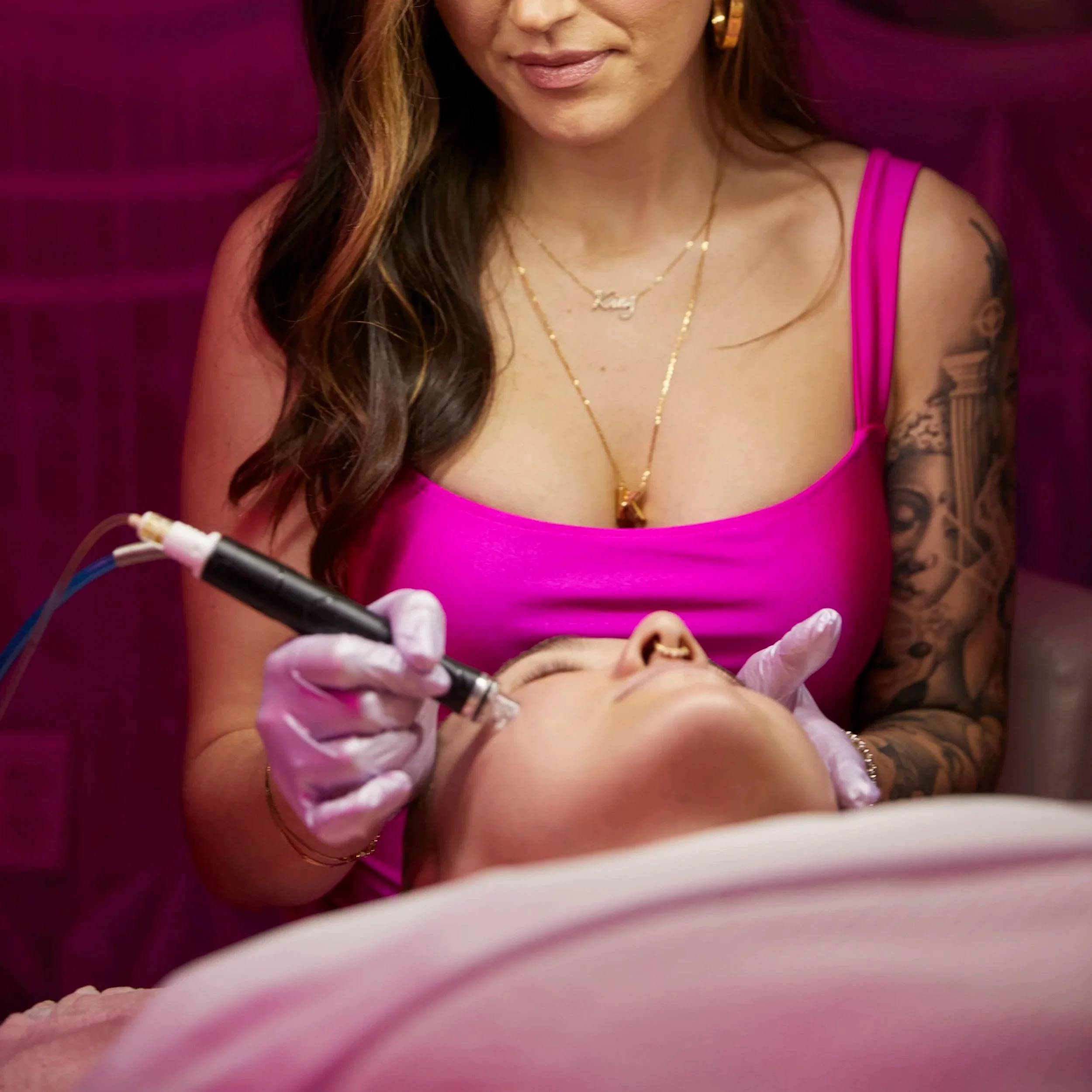
In the Treatment Room
HydraFacial is the most targeted treatment for dehydration. It simultaneously cleanses, exfoliates, and infuses hyaluronic acid and peptides directly into the skin. Customized hydrating facials work with your specific skin to restore water balance. Both deliver that glass-skin effect you see in before-and-afters, and the results are visible immediately.








The Bottom Line
Here's what I want you to take away from this: if you've tried a dozen products and nothing worked, it probably wasn't the products. It was the match. You were solving the wrong problem.
That's not a failure. That's just what happens when skincare advice is designed for the masses instead of for your actual skin.
When you're ready to figure out exactly what yours needs, we'd love to help. At Enlightened Beauty, we treat skin as a whole system. That means what we do in the treatment room works best when it's supported at home, and what you use at home makes more sense when it's informed by what we see in person. That's the difference between skincare and a skincare practice.
Get your consultation scheduled with us on our booking page. We can’t wait to see you!
Formulated to help speed up the skin’s natural exfoliation process by removing dead skin cells and impurities. Formulated to gently exfoliate, purify and regulate excess sebum secretion. It is designed to treat unwanted skin texture, while evening skin tone visibly reduces fine lines and wrinkles to reveal smoother younger looking skin.
How To Use:
Use AM and/or PM on clean skin. Soak cotton round. Gently apply by dabbing over the face, neck and décolleté using upward strokes. Do not rinse. You can use hands, but a cotton round is recommended.
START SLOWLY
We recommend to start slow at 3 times a week then gradually work your way up depending on skins needs and goals. Then use daily, morning and/or night time.
Pro Tip: Use on back, chest, or back of arms to treat stubborn texture, bumps and reduce inflammation.